Personality
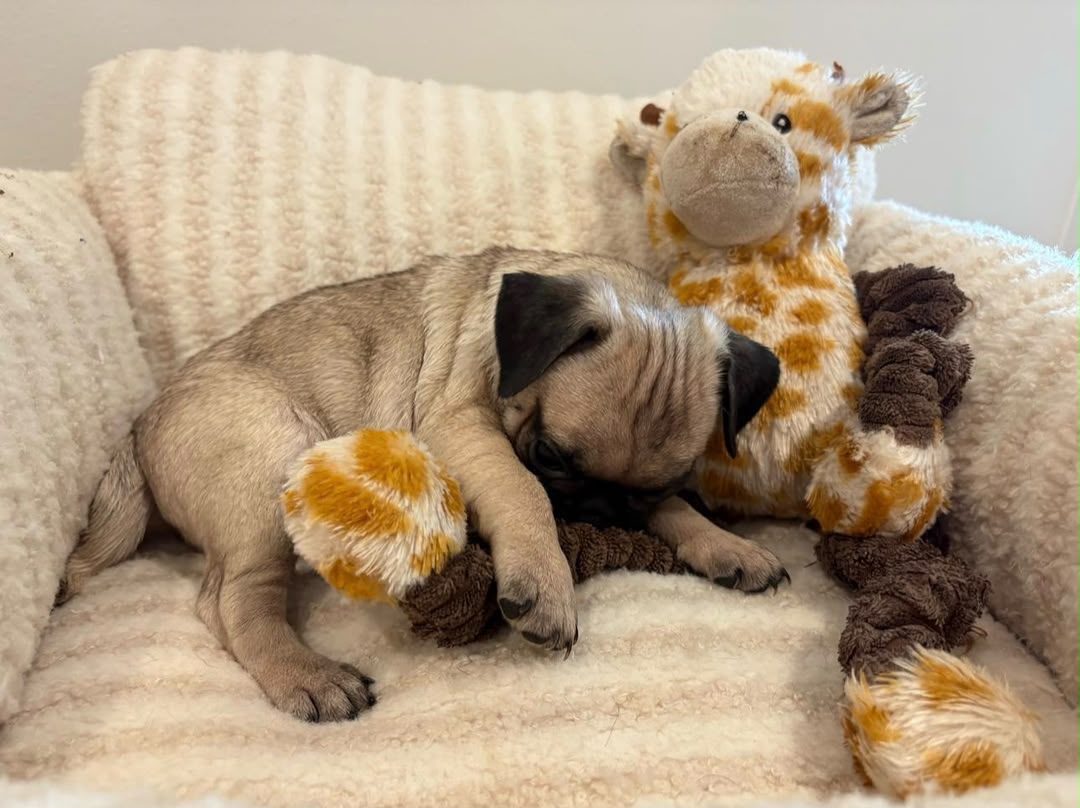
Affectionate, comical and thoroughly people focused. A Pug will follow you from room to room and settle wherever you are. They are also stubborn: willing to learn, but on their own terms and best rewarded with food.
Before you apply, it is worth knowing what you are taking on. Pugs are wonderful company, but they are a flat-faced breed with real care requirements, and they do not cope with being left alone. Here is an honest picture.
A Pug is a small dog with real substance to it. Most reach their adult size within nine to twelve months and settle around 6 to 8kg — heavier than they look.
Practically, that means a harness rather than a collar, a home that stays cool in summer, and a firm hand on portion sizes — Pugs gain weight very easily, and extra weight makes every other part of their health harder.
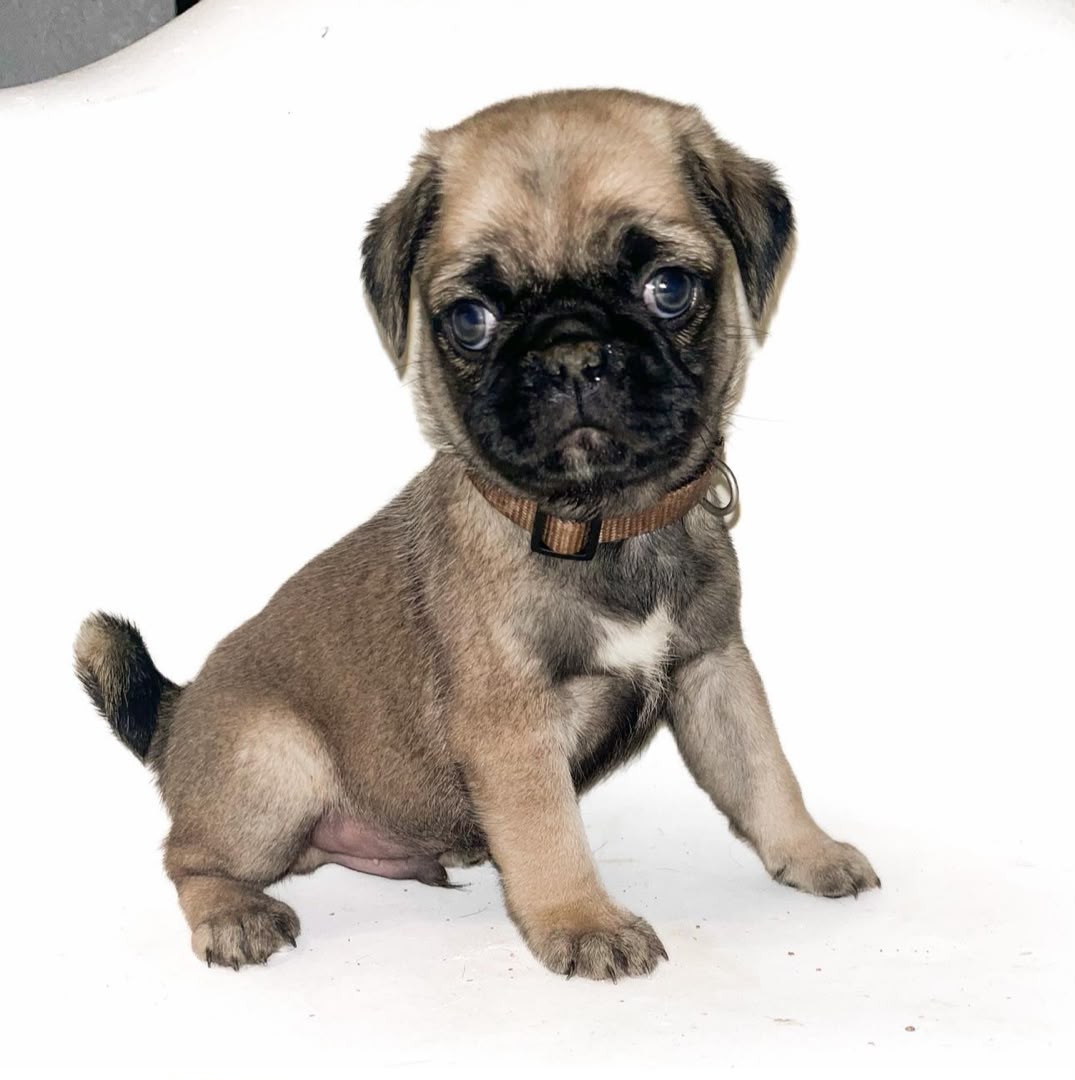
The traits that come up again and again with this breed.
Affectionate, comical and thoroughly people focused. A Pug will follow you from room to room and settle wherever you are. They are also stubborn: willing to learn, but on their own terms and best rewarded with food.
Pugs are brachycephalic — flat faced — so snoring, snuffling and noisy breathing are normal for the breed. It also means they overheat dangerously fast. Walks belong in the cool of the day, never in the midday sun, and never in a hot car.
Generally tolerant of children, of visitors and of other animals when introduced properly and gradually. They are not usually a good choice for a home where they will be alone for very long stretches.
The coat is short but sheds heavily, so expect weekly brushing and hair on everything. The facial folds matter more: they need wiping and drying regularly, or they become sore and infected. Nails and ears need routine attention too.
Pugs suit flats and houses equally — they need company far more than space. Keep the home cool in summer, go easy on stairs and jumping while they are young, and give them somewhere soft and shaded to settle near you.
Twelve to fifteen years, typically. Be realistic about cost: this is a breed where insurance is genuinely worth having, because eye, skin-fold and airway problems are common enough that most owners meet at least one of them.
A Pug is a rewarding puppy and a demanding one. These are the points we most often talk through with applicants, and the ones people most often underestimate.
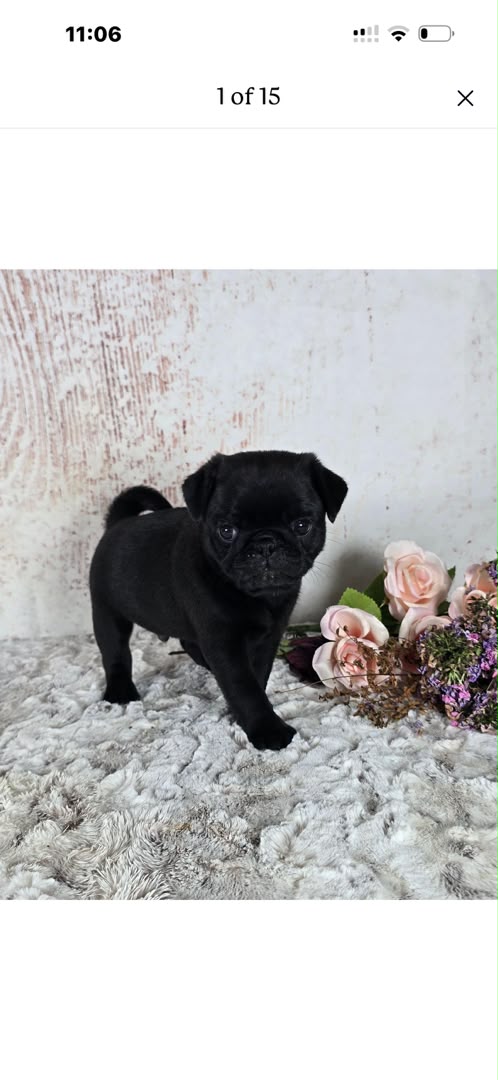
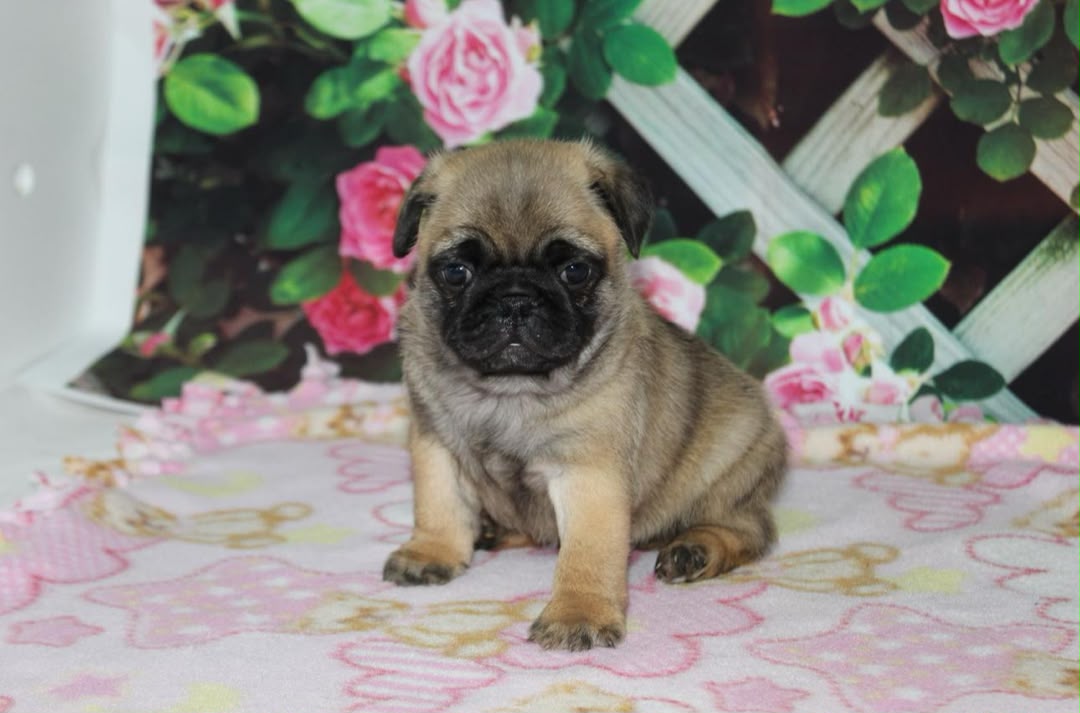
A few of the puppies you could apply for today.